


Types of Office Chairs: A Complete Guide to Choosing the Right One
Types of Office Chairs can make a significant difference in your comfort, posture, and productivity throughout the workday. If you spend more than five hours a day sitting at a desk, your chair isn't just a piece of furniture — it's essential equipment. The wrong type of office chair can contribute to back pain, stiff shoulders, and afternoon fatigue, while the right one provides the support and comfort you need to stay focused and productive.
At FlakeTech, we design and test ergonomic seating for the Egyptian and GCC market every day, and one question comes up more than any other: "What's actually the difference between these chairs?" This guide breaks down every major type of office chair, who each one is really built for, and how to match one to the way you work.
Types of Office Chairs
| Chair Type | Best For | What Sets It Apart |
|---|---|---|
| Mesh chair | Hot climates, long hours | Breathable back, lightweight frame |
| Ergonomic chair | Back pain, 8+ hour days | Adjustable lumbar support, multi-point recline |
| Executive/leather chair | Managers, client-facing offices | Padded comfort, formal appearance |
| Gaming chair | Gaming, high-energy users | Bold design, deep recline, headrest pillow |
| Task/compact chair | Small spaces, home offices | Lightweight, budget-friendly, easy to move |
1. Mesh Office Chairs
A mesh chair uses a stretched, breathable fabric across the backrest instead of solid foam padding. The mesh flexes slightly with your movement and lets air pass through — which matters a lot if your office doesn't run air conditioning all day, or if you simply run warm.
Who it's for: People working long stretches in warm environments, or anyone who finds padded chairs uncomfortably hot by mid-afternoon.
What to check before buying: Not all mesh is equal. Cheap mesh sags within months; a good mesh chair holds its tension and still supports your lower back. FlakeTech's Flake Chair and Novo Chair use reinforced mesh backing specifically so the support doesn't wear out the way budget imports do.

2. Ergonomic Office Chairs
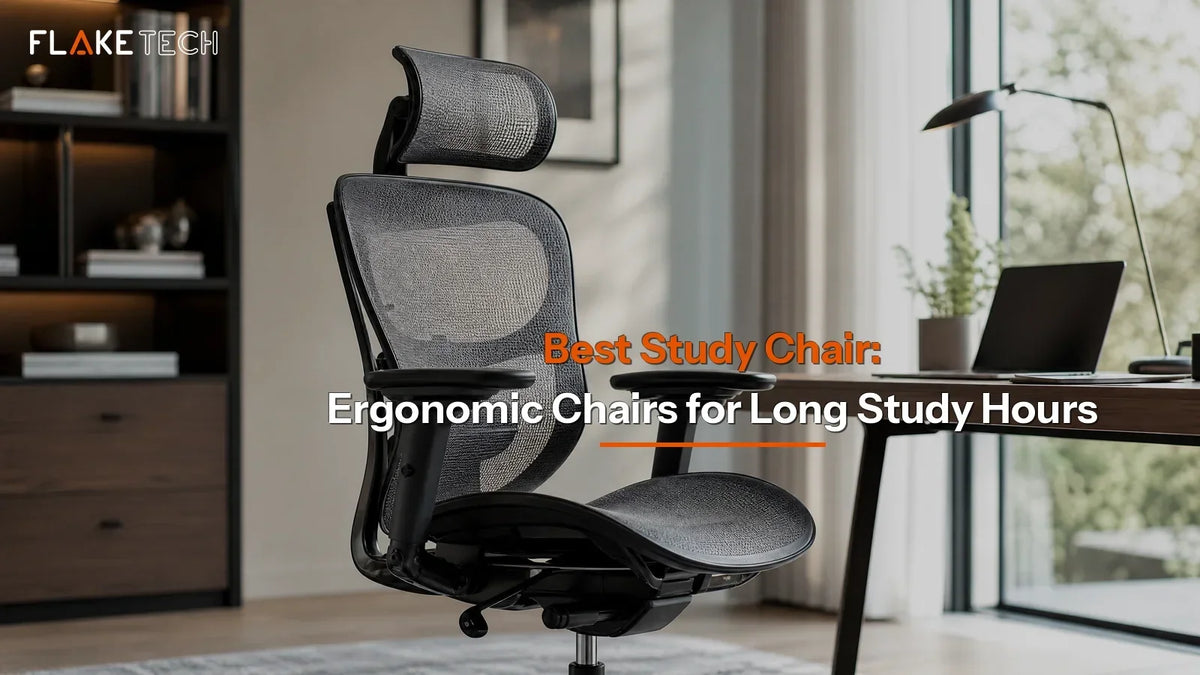
"Ergonomic" gets used loosely in furniture marketing, so here's the real definition: a chair is ergonomic if it adjusts to your body, not the other way around. That means an adjustable lumbar support that sits in the curve of your lower spine, seat height and depth you can tune to your legs, and armrests that don't force your shoulders up or out.
This is the category we recommend first to anyone dealing with lower back or neck pain from sitting — see our full guide on the best ergonomic office chair for back pain for the specific features to look for.
Who it's for: Remote workers, anyone doing 8+ hour desk days, and anyone already experiencing back or neck discomfort.
FlakeTech pick: The Ergo Lite Chair is built around this exact problem — its adjustable lumbar support is the single most-requested feature from our customers who switched from a standard task chair.

3. Executive & Leather Chairs
Executive chairs prioritize a polished look and plush comfort over adjustability. Higher backrests, padded leather or leatherette upholstery, and a more formal silhouette make them the standard choice for management offices and client-facing spaces.
Who it's for: Managers, executives, and home offices where the chair is also part of the room's appearance on video calls.
FlakeTech pick: The Calvin Chair pairs that executive look with real seat cushioning, so it doesn't sacrifice comfort for style the way many purely decorative options do.

4. Gaming Chairs
Gaming chairs share some ergonomic features — bucket seats, adjustable armrests, deep recline — but they're tuned for a different use case: shorter, higher-intensity sessions rather than a full workday. The bold colors, side bolsters, and steeper recline angle are the giveaways.
We get asked constantly whether a gaming chair or an ergonomic chair is the better desk chair — the honest comparison is in our dedicated guide, gaming chair vs. ergonomic chair.
Who it's for: Gamers first, desk workers second. If you're at your desk 8+ hours for work, an ergonomic chair will serve your back better long-term.
FlakeTech pick: The Flake Quantum — our gaming chair with the deepest recline and included headrest pillow in the lineup.

5. Task & Compact Chairs
Task chairs strip the category down to the essentials: a comfortable seat, basic height adjustment, and a small footprint. No frills, no bulk — just a chair that does its job and fits in a smaller room.
Who it's for: Home offices, study corners, and anyone furnishing a second workspace on a budget.
FlakeTech picks: The Pink Mini Chair and Aqua Chair are our most popular compact options for exactly this — small-space setups that still don't skimp on basic support.

How to Actually Choose Between Them
Ask yourself these three questions in order:
- How many hours a day are you sitting? Under 4 hours — a task or mesh chair is enough. Over 6 hours — go ergonomic.
- Do you already have back or neck pain? If yes, adjustable lumbar support isn't optional. Start with an ergonomic chair.
- Does the chair need to look a certain way (client meetings, video calls, shared office)? If yes, weigh executive styling alongside comfort.
For a deeper, step-by-step checklist covering adjustment mechanisms and materials, see how to choose an office chair — and if correct posture is your real goal beyond just the chair itself, pair it with our guide on correct sitting posture at work.
Frequently Asked Questions
What is the healthiest type of office chair?
An ergonomic chair with adjustable lumbar support is generally the healthiest option for anyone sitting more than six hours a day, because it's the only type designed to actively support the natural curve of your spine rather than just cushion you.
Is a mesh chair or a leather chair better?
Mesh is better for airflow and long sitting sessions in warm climates; leather/executive chairs offer more padded comfort and a more formal look but retain more heat. Neither is inherently more supportive — that depends on the internal frame and lumbar adjustment, not the surface material.
Can a gaming chair replace an ergonomic office chair?
For short sessions, yes. For a full workday, an ergonomic chair with proper lumbar and seat-depth adjustment will support your back better over time than most gaming chairs, which are optimized for recline and style rather than sustained desk posture.
What's the difference between a task chair and an ergonomic chair?
A task chair offers basic height adjustment and a simple seat; an ergonomic chair adds adjustable lumbar support, seat depth, and often armrest height — features specifically aimed at reducing strain over long hours.
Browse the full range at FlakeTech Office Chair

Leave a comment
This site is protected by hCaptcha and the hCaptcha Privacy Policy and Terms of Service apply.